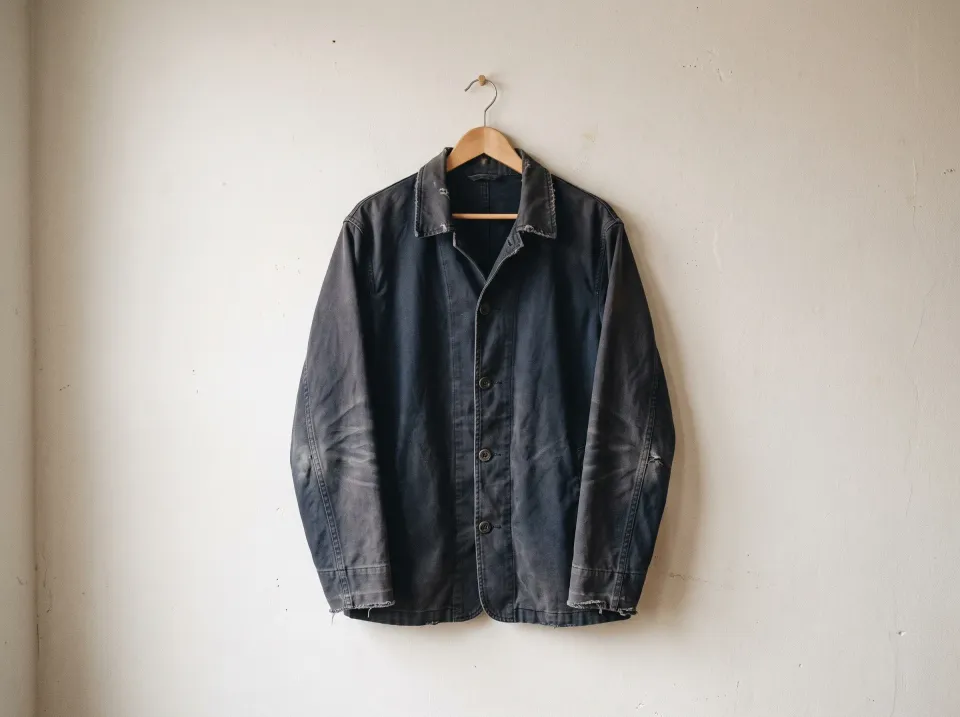
Monochromatic Outfits From Clothes You Already Own
A monochromatic outfit uses one color family from head to toe. It looks deliberate and is easy to build from pieces you already own, as long as you vary the shade, intensity and texture.
Kashe Blog
Kashe Blog: wardrobe organization, outfit guides, capsule wardrobes and mindful consumption. Dress better with what you already have.
A monochromatic outfit uses one color family from head to toe. It looks deliberate and is easy to build from pieces you already own, as long as you vary the shade, intensity and texture.
An AI personal stylist can start from a store's catalogue or from your own wardrobe. Working from what you already own changes what a suggestion is: a new combination you can put on today, not a new thing to buy.
Wardrobe tracking means noting what you wear each day. A few weeks of entries show which pieces carry your closet, which are never chosen and why, as long as the log is simple enough to keep going.
Natural and synthetic fibers aren't good and bad; they behave differently. The label inside each piece tells you how it will handle moisture and what care keeps it wearable.
Picking an outfit is a small decision you make every single morning. Here is what the science of decision fatigue really supports, and how to take that decision off your plate with clothes you already own.
Shopping your closet means browsing what you already own as if it were a store. Done before Black Friday, it turns a vague urge to buy into a short, honest list.
In most family mornings, the parent's own outfit is decided last and in a hurry. Moving that choice to the evening and keeping a few parent-proof outfits ready takes it off the clock.
Color theory for clothes comes down to three things: which color, how light or dark, and how bright. Learn those and the color wheel becomes a tool you can use with what you already own.
Most clothing try-on today doesn't build a 3D model of you. It reads your photo and redraws it with the new garment in place, which makes it good for judging a look and poor at judging fit.
Uploading a photo of yourself to an AI app isn't automatically risky, but it is personal data. Five questions in the privacy policy tell you most of what you need to know.
Cost per wear divides what you paid by how often you wear it. It's a useful way to see your closet, as long as you count real wears, not hopeful ones.
A full closet with nothing to wear is rarely about owning too little. It comes down to what you can see, what you can actually wear, and how hard each choice is.
Kashe learns your wardrobe, builds one outfit each morning for the weather and your calendar, and shows it on you. Without buying anything new.
Meet Kashe