Cost Per Wear: How It Works and Where It Misleads
Cost per wear divides what you paid by how often you wear it. It's a useful way to see your closet, as long as you count real wears, not hopeful ones.
Key takeaways
- Cost per wear is the price of a piece of clothing divided by the number of times you wear it.
- Every time you wear something you already own, its cost per wear goes down.
- Cost per wear misleads when it's calculated with imagined future wears instead of real ones.
- A fuller version adds cleaning and repair costs to the price before dividing.
- WRAP estimates that keeping clothes in use for nine more months cuts their environmental footprint by around 20–30%.
A price tag tells you what you paid once. It doesn't tell you what a piece of clothing costs you to wear. That's what cost per wear does: it divides the price by the number of times you actually put something on. It's one of the simplest ideas in personal style, and one of the most useful, as long as you use it honestly.
Here's how it works, where it quietly misleads, and how to use it with the clothes you already own.
The formula
Cost per wear is the price divided by the number of wears. A €60 jacket worn 30 times costs €2 per wear. Worn 60 times, it costs €1.
The interesting part is what happens over time. The first wear is the most expensive one you'll ever have. Every wear after that brings the number down.
Example: a €60 jacket, cost per wear
| Item | Value |
|---|---|
| 1 wear | €60 |
| 5 wears | €12 |
| 10 wears | €6 |
| 20 wears | €3 |
| 30 wears | €2 |
| 60 wears | €1 |
Source: Worked example
Why it changes how you see your closet
Run the numbers on two shirts. One cost €20 and was worn four times last year. The other cost €70 and was worn fifty times. The cheaper shirt cost you €5 every time you wore it; the pricier one, €1.40.
But the bigger shift isn't about buying. It's about what's already hanging in your closet. The money for those clothes is spent either way. The only number you can still change is how often you wear them. Which means the cheapest outfit available to you tomorrow is almost always one you already own, and every time you reach for a piece you'd forgotten, it gets a little cheaper.
Where cost per wear misleads
Used carelessly, cost per wear turns into a reason to shop. Three things to watch for:
Imagined wears. "It's expensive, but I'll wear it a hundred times" is the most common way the formula gets bent. Estimate future wears from what you actually do: how often did you wear the last similar piece? If the honest answer is "a handful of times," use a handful.
Hidden costs. Price isn't the only cost. Dry cleaning, special washing and repairs add up, especially for tailored and delicate pieces. A fuller version of the formula is (price + care costs) ÷ wears.
The pieces that never get worn. Cost per wear can't be calculated for something that hasn't left the hanger — it's simply the full price, sitting there. Those are usually the pieces nobody reaches for, and they're worth a second look before anything new comes in.
Wearing longer is the bigger lever
Cost per wear isn't only about money. Research by WRAP, a UK climate NGO, estimates that keeping clothes in active use for nine more months would cut their carbon, water and waste footprints by around 20–30% each — as long as those extra months replace new purchases rather than add to them.
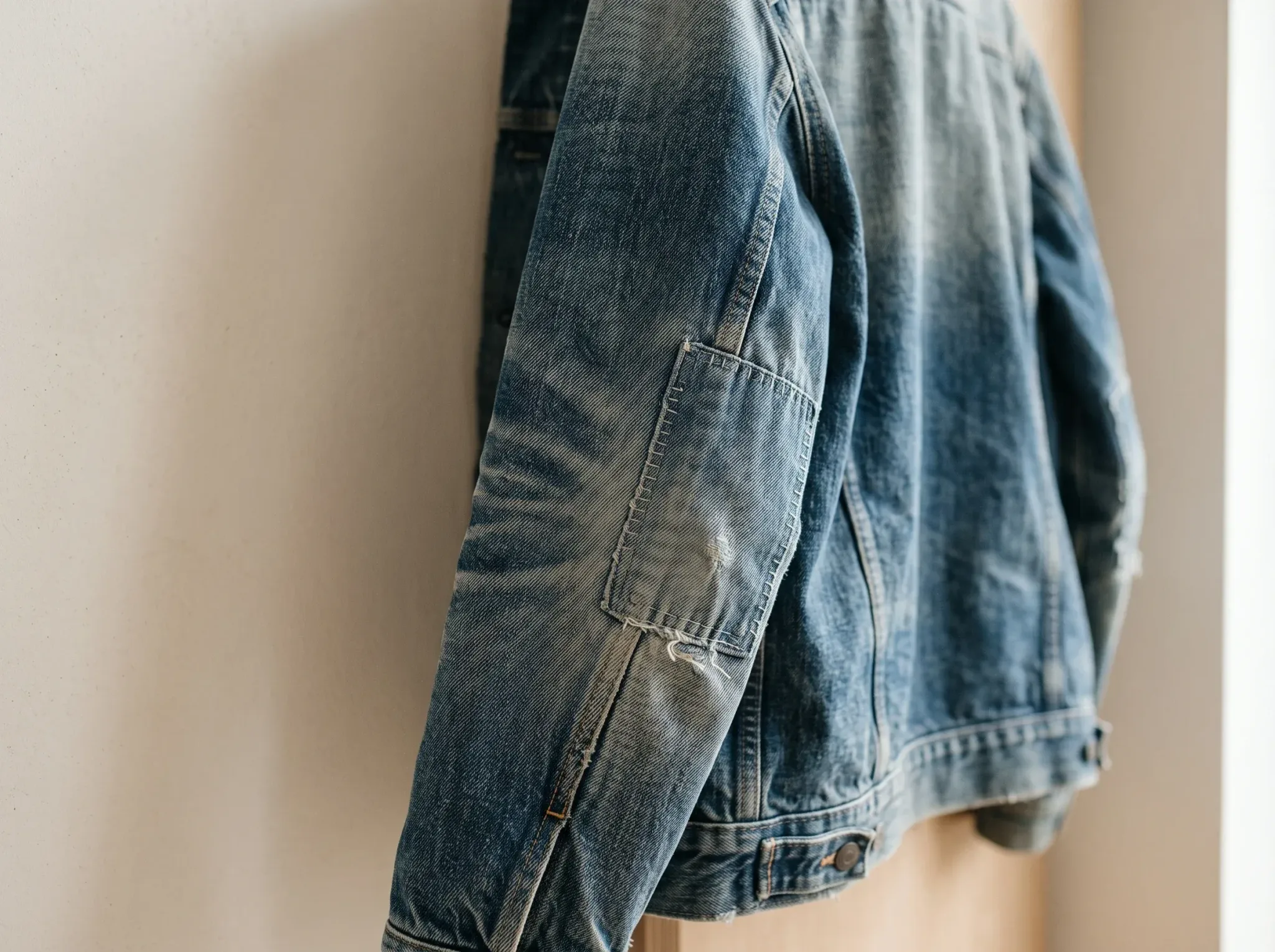
Care and repair are a big part of that. In WRAP's more recent survey, people who repaired an item kept it noticeably longer.
1.3 years
longer, on average, that people kept a piece of clothing after repairing it
Source: WRAP, 2022 (UK survey)
Try it with what you own
Pick five pieces you love
Choose a mix: a coat, a pair of trousers, a top you reach for often and one you rarely wear.
Estimate last year's wears
Be honest and round down. Rough numbers are fine; the point is the comparison.
Work out each cost per wear
Divide what you paid by the wears. Add cleaning or repair costs if they were significant.
Wear the priciest one twice
Take the piece with the highest number and put it into two outfits. Watch it get cheaper.
Use real wears before buying
Next time you're tempted, estimate wears from a similar piece you own, not from hope.
Where Kashe fits
The hard part of cost per wear is remembering how often you wore something. When you mark an outfit as worn in Kashe, it keeps that record for you, so the number is based on what you actually wore rather than a guess.
Sources
Frequently asked questions
How do you calculate cost per wear?
Divide what you paid for an item by the number of times you've worn it. For a fuller picture, add cleaning and repair costs to the price first.
What is a good cost per wear?
There's no universal number. A useful comparison is within your own closet: pieces you wear often will have a far lower cost per wear than pieces that rarely leave the hanger.
Is expensive clothing cheaper in the long run?
Only if you actually wear it often and it lasts. A pricier piece worn many times can cost less per wear than a cheap one worn twice, but the advantage disappears if it stays in the closet.
Should cost per wear include cleaning and repairs?
Ideally, yes. Dry cleaning or regular repairs can add meaningfully to what a piece costs you, especially for tailored and delicate items.
Keep reading

Wardrobe Tracking: Knowing What You Actually Wear
Wardrobe tracking means noting what you wear each day. A few weeks of entries show which pieces carry your closet, which are never chosen and why, as long as the log is simple enough to keep going.

Shop Your Closet Before Black Friday: An Anti-Haul Guide
Shopping your closet means browsing what you already own as if it were a store. Done before Black Friday, it turns a vague urge to buy into a short, honest list.

Monochromatic Outfits From Clothes You Already Own
A monochromatic outfit uses one color family from head to toe. It looks deliberate and is easy to build from pieces you already own, as long as you vary the shade, intensity and texture.